

Ryan Companies (Ryan) announced today that it has completed its development of Pullman Crossings, a 62-acre industrial site within Pullman Park, a mixed-use development in Chicago’s historic Pullman neighborhood. Ryan served as the master developer for the Pullman Crossings industrial park, in collaboration with community developer Chicago Neighborhood Initiatives (CNI).
With the September completion of a 145,000-square-foot built-to-suit distribution center for tenant Amazon, Ryan has developed and built three industrial facilities totaling 685,000 square feet at Pullman Crossings since 2017, transforming what was previously one of the largest undeveloped sites in Chicago and contributing to economic renewal in Pullman.
“When we look back at what we’ve accomplished at Pullman Crossings over the last three years, we see it as a model for how developers and community stakeholders can drive urban regeneration by working in tandem to harness a variety of resources,” said Jim McDonald, market leader of the Great Lakes Region for Ryan Companies. “From having the foresight to recognize the benefits this location offered, to navigating the various tax credits and financing incentives that made investment here attractive, to leveraging client and partner relationships to draw tenants to Pullman, the efforts we’ve made in collaboration with our investor and community partners have revived blighted land and brought a wave of business activity and job creation to Pullman. We’re thrilled Mayor Lori Lightfoot’s new ‘Invest South/West’ initiative will highlight similar investment opportunities in low-income neighborhoods across Chicago, creating jobs and a pipeline to greater success for those living in and near these communities.”
Located at Interstate 94 and 103rd street in Pullman, Pullman Crossings is part an area that was originally home to factories manufacturing Pullman rail cars beginning in the late 1800s. The site was later partially occupied by a Ryerson steel mill for nearly 20 years before being vacated. Landowner U.S. Bank encouraged Ryan, a longtime business partner, to consider developing the land that is now Pullman Crossings. Ryan worked closely with CNI and the City of Chicago to prepare a master plan, utilizing its integrated platform to move Pullman Crossings forward while also maintaining stakeholders’ collective vision for the site within the larger community.
In 2017, the land that is now Pullman Crossings was designated a federal Qualified Opportunity Zone. Ryan partnered with CNI and 9th Ward Alderman Anthony Beale to bring a 140,000-square-foot Whole Foods distribution center to the industrial park. Ryan took the land through the entitlement process and obtained enterprise zone, new-market tax credits and incentives to help secure the build-to-suit deal. The project created 300 construction jobs and brought 150 permanent jobs to the neighborhood when the facility opened in 2018.
“Early on, our team saw the potential of this large, underdeveloped area as an ideal hub for last-mile distribution, thanks to its accessibility to expressways and rail,” said McDonald. “The Whole Foods facility demonstrated the viability of Pullman Crossings for that function and ultimately was a catalyst for other investors and companies seeking a home for their distribution operations.”
Following the Whole Foods facility, Ryan broke ground in 2019 on a 400,000-square-foot spec warehouse at Pullman Crossings that was among the first and largest Opportunity Zone spec developments in the Chicago area. Ryan lined up equity for the spec project through Allstate prior to ultimately securing Racine, Wis.-based SC Johnson as a tenant. SC Johnson, which operates a Method soap factory nearby in Pullman Park, moved its distribution function for that facility to the new warehouse.
The Amazon facility created 400 jobs during construction and brought 145 permanent jobs to Pullman.
“This was an example of our development team and all parties – including the city of Chicago, Mayor Lightfoot, the Pullman community, Alderman Beale , CNI and Amazon – recognizing the long-term benefits of this addition to Pullman and uniting quickly to make it happen, from entitlement and permitting through construction,” said Kyle Schott, director of development with Ryan Companies. “That effort exemplifies our approach in Pullman from day one, which was to align our business goals with opportunities to contribute to the revitalization of this historic community. With Pullman Crossings complete, we’re proud to see it as part of an active and growing list of successes that are defining the neighborhood’s next chapter.”
About Ryan Companies:
Founded in 1938, Ryan Companies offers comprehensive commercial real estate services as a national developer, architect, capital investment consultant, builder and real estate manager with a focus on bringing lasting value to its customers and the communities in which it works. Ryan market depth includes retail, industrial, healthcare and senior living. Ryan development and corporate build-to-suit work spans a wide range of product types including office, mixed-use, hospitality, multifamily housing and mission critical facilities. Ryan has nearly 1,500 employees in 15 offices and has completed projects in 39 states. For more information, visit ryancompanies.com.
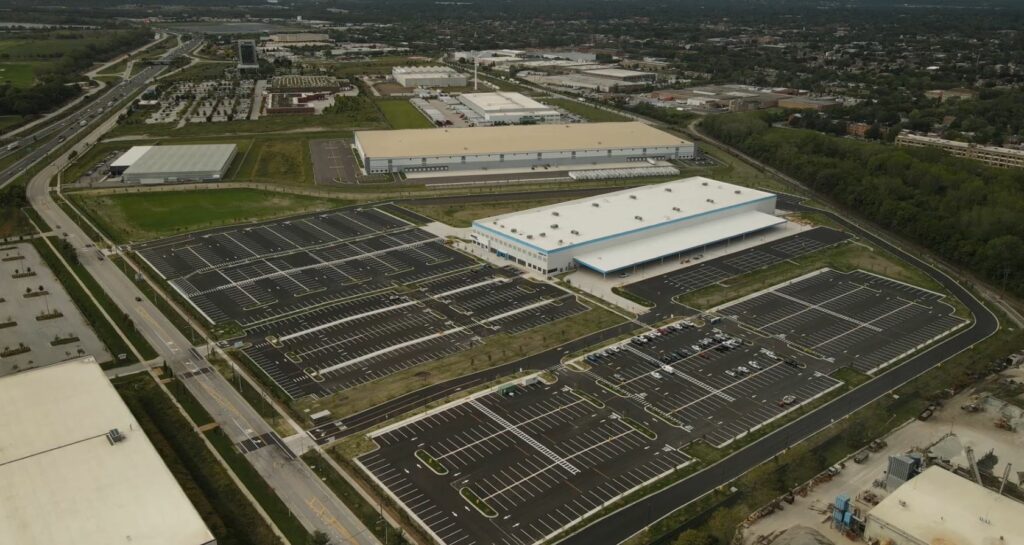
Ryan Companies has completed its development of Pullman Crossings, a 62-acre industrial site within Chicago’s historic Pullman neighborhood that includes industrial facilities for Amazon, SC Johnson and Whole Foods, totaling 685,000 square feet built since 2017.
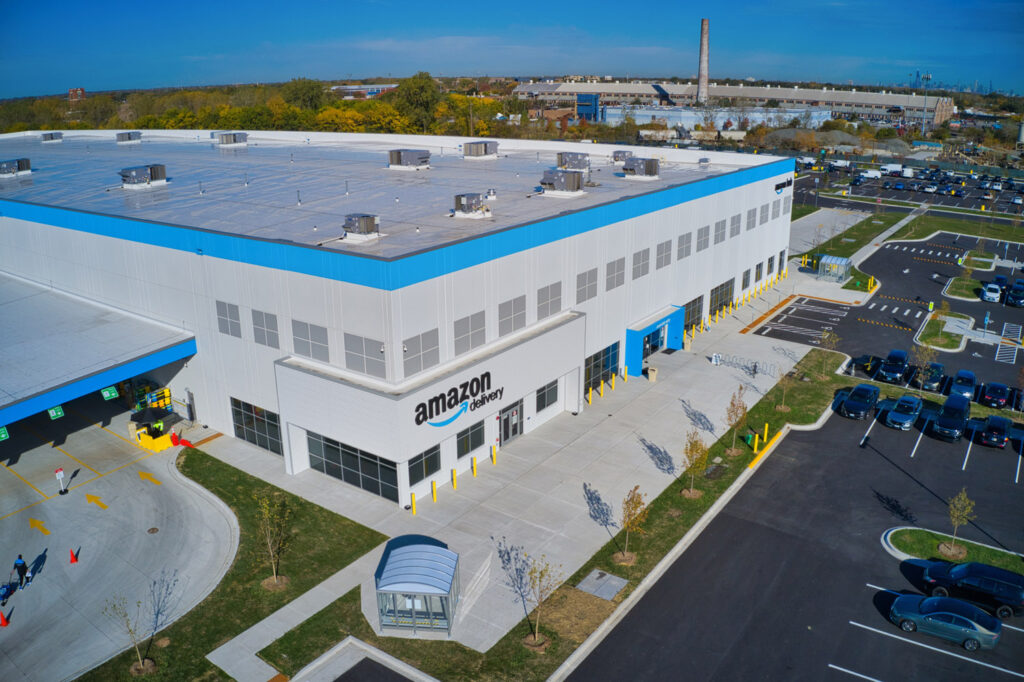
Pullman Crossings_Amazon: Completed in September, a 145,000-square-foot built-to-suit distribution center for Amazon is the final development of Pullman Crossings.
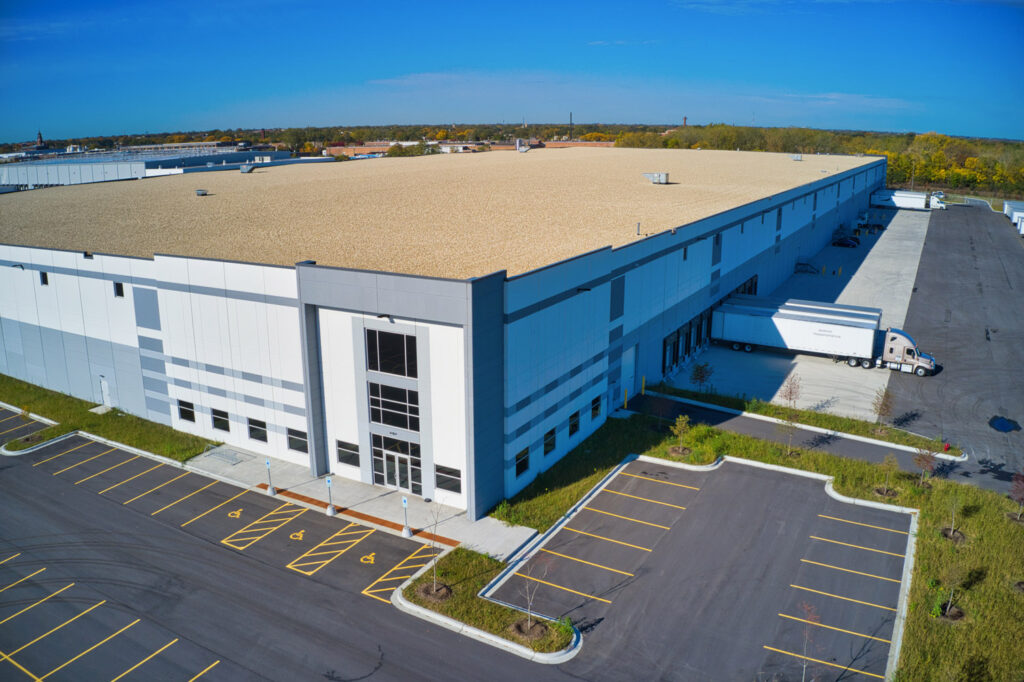
Pullman Crossings_SC Johnson: Ryan Companies broke ground in 2019 on a 400,000-square-foot spec warehouse at Pullman Crossings, which ultimately drew Racine, Wis.-based SC Johnson as a tenant.

Pullman Crossings_Whole Foods: A 140,000-square-foot Whole Foods distribution center opened at Pullman Crossings in 2018, demonstrating the development’s viability as a hub for last-mile distribution.